

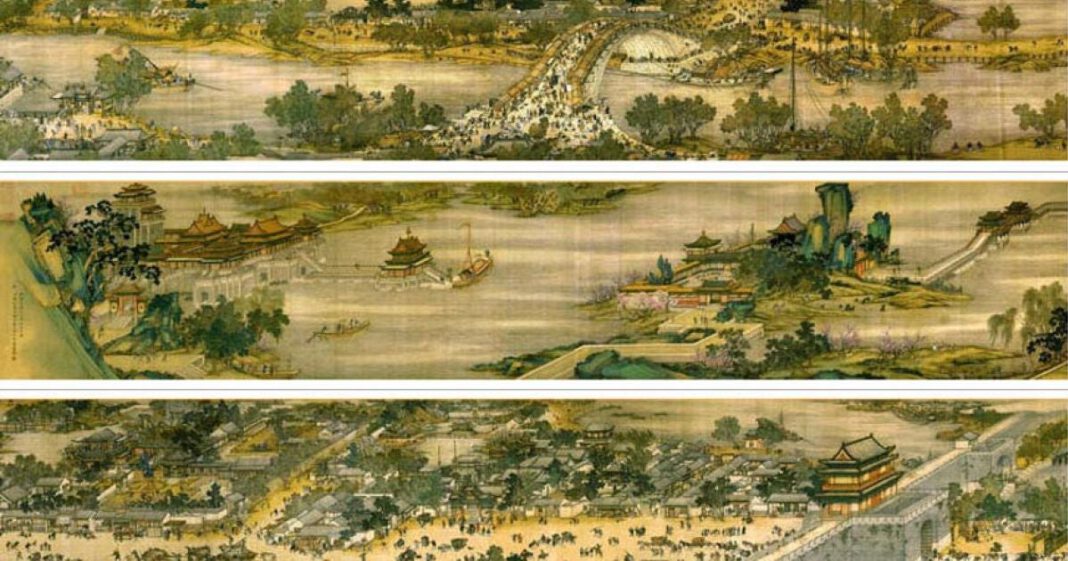

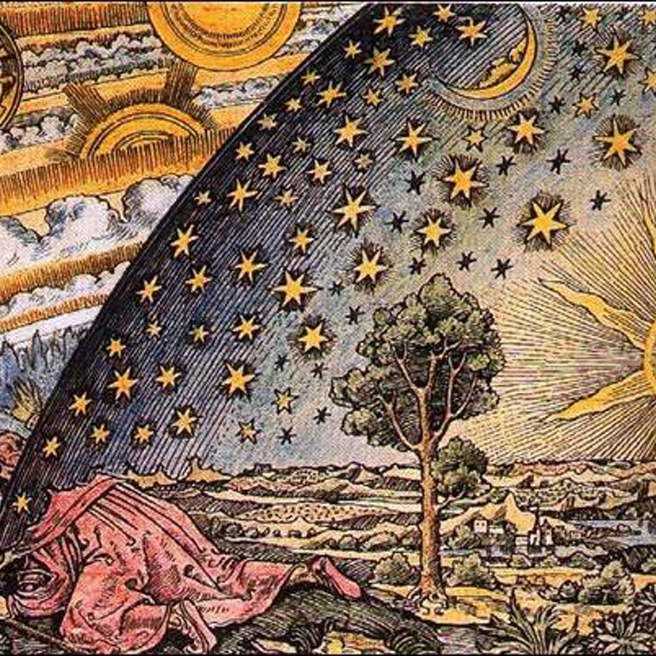
Introduction
Contrary to how westerners have been encouraged to think in overly simplistic terms – modern day China is not the product of one man, or even one group of men. Nor is it a product of a monolithic and rigid ideology or a great reset, as some may view the Communist Party of China (CPC) to simply be. That is, a complete erasure of the past with a constant rewriting of the present in sole service to the face of the state party. That is not to say that there weren’t some very serious mistakes that occurred throughout 20th century China, however, put into context, China’s civilizational history runs very deep and has been full of aspiring men and factions that have fought each other for centuries.
Court strategy has been at the center of Chinese politics since, most notably, the Qin Dynasty (f. 221 BCE) and its halls have seen all sorts of men walk through them: men of corruption, deceit, greed and tyranny – as well as men of honour, wisdom, grace and concern for the welfare of the people. Despite these very serious and monumental struggles, the Chinese civilization has survived as one of the greatest cultures in the entire history of humankind. This is uncontestable. Thus, the question should be posed, how did China survive such battles within its own corridors to hold one of the most steadfast civilizational cultures that exist today after a centuries-long struggle?
Despite this centuries-long struggle, which continues to this very day, there is something undeniably “Chinese” in culture and philosophy – that in its various forms of diversity there is something nonetheless that is also unified in the Chinese civilizational identity as a centuries old historical process.
In this regard, 20th century China is not as different as you may think to this civilizational past. Mao Zedong is by far the most famous of this era. And he was instrumental in organising a capable resistance against not only the Japanese fascists that were waging war with China at the time, but a civil war that was being fought against Chiang Kai-shek who took over the Kuomintang after Sun Yat-sen’s death, and to which many of the Chinese warlords sided with.
Chiang was working closely with American intelligence, some suspect also the Japanese fascists, and was the darling of Henry Luce’s Time Magazine, where he appeared on its front cover over eight times. A magazine that let us not forget also happened to be a big fan of Mussolini as well.
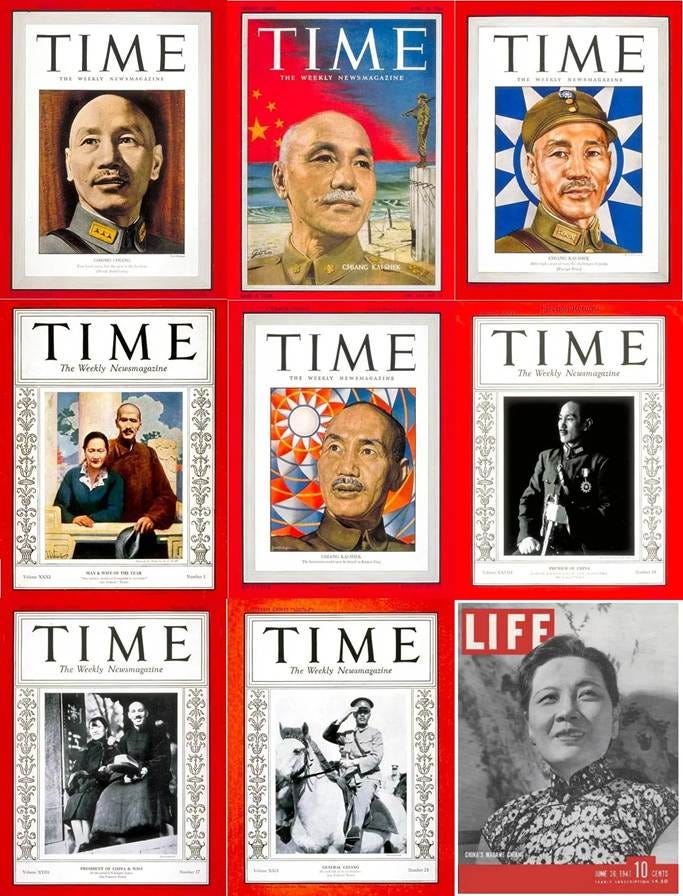
The last cover image is from Life Magazine and features Chiang’s wife Soong Mei-ling who was fluent in English and a Methodist. Both Time and Life Magazines were owned by Henry Luce who worked for the CIA, and thus the message is crystal clear, Chiang had the blessing of Allen Dulles.
Though Mao Zedong led the resistance against these factions that wished to balkanize China into satrapies governed by corrupt warlords, the overall rejection of Chiang Kai-shek as the legitimate representative of China was made by several groups that existed during this time that were not members of the Communist Party of China (CPC). Many leading political and intellectual figures sided with Mao Zedong’s group in agreement that Chiang was an enemy of the Chinese people and after losing the civil war, Chiang was ultimately forced into exile on the island of Taiwan where he continued to the last of his days proclaiming he was the one true successor of Sun Yat-sen and thus leader of all of China. [Sun Yat-sen is the founder of the Republic of China, formed in 1912).
It should be added here that many of the men who would eventually become members of the Communist Party of China were originally members of the Kuomintang (KMT) under the leadership of Sun Yat-sen, such as Zhou Enlai. Many of these men left the Kuomintang and joined the Communist Party as a result of Chiang’s take over, when he began to show his true colors and intention for the future of China.
I would like to emphasise that this summary cannot do justice to the complexity of this history, but it is my thought that the leadership of Sun Yat-sen was purposefully compromised by Chiang to break up the Kuomintang of its better members or corrupt them if they stayed, and that this sabotage could not have succeeded on the level it did without the aid of foreign players. The history of China would have been very different if Sun Yat-sen had remained in place as leader, had not died at a relatively young age, and if Chiang had not acted to divide the party once he assumed leadership. For more on Sun Yat-sen refer here.
Amongst the numerous influential thinkers in China who stood against Chiang was most notably Sun Yat-sen’s own widow, Soong Ching-ling,[1] and sister of Chiang’s wife. This held a great deal of symbology that Chiang was indeed no true successor of Sun Yat-sen, and she is known today as the “Mother of Modern China” with Sun Yat-sen as the “Father of Modern China.”
The People’s Republic of China was formed, on October 1, 1949. China’s government needed to change its name from the Republic of China since Chiang continued to proclaim himself leader of this title, thus, once China exiled Chiang to Taiwan they changed their name adding the “People’s” Republic of China. This showcased that the people of China had rejected Chiang as the true leader of China.
Rather confusingly, to this day the government of Taiwan is rather ironically called the “Republic of China.”
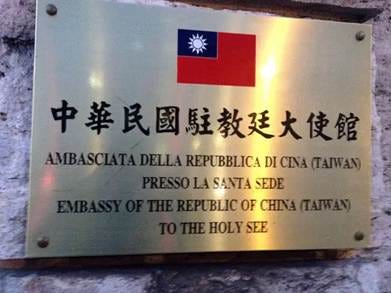
Thus, though many of these influential political and intellectual figures did not consider themselves communist and many were even in great disagreement with some of the ideologies of the party, they were nonetheless unified in defending China against Chiang and recognised Mao Zedong as essential to winning what many believed to be an unwinnable war that threatened China’s very existence, that is, fighting the Japanese fascists and Chiang’s forces at the same time. This is a noble feat that truly kept China whole and should be recognised as partaking in heroism, sparing China the unthinkable monstrosities they would have most certainly suffered under the full rule of fascist Japan, or Chiang’s warlords.
Thus, Mao Zedong is truly a hero of China for being instrumental in winning the wars against the fascist Japanese and Chiang’s warlords. However, that being said, Mao was most certainly not a flawless man and made many very serious mistakes during his leadership, including economic policies. By the time of the Cultural Revolution, one could say that Mao was suffering from “fits of madness” if not complete madness during the last years of his life.
When Mao died on September 9, 1976 at the age of 82 years, it had left a large power vacuum. Kang Sheng, the leader of the internal security apparatus died at the end of 1975. In January 1976, Zhou Enlai, China’s first premier and head of government since 1949 passed away. And that summer of 1976 the founder of the Red Army, Zhu De died. Finally, in September of that year Mao passes away.
When the People’s Republic of China was formed, on October 1, 1949, war torn China was submerged in mass poverty. Though basic industrialization had been achieved by the time of Mao’s death, living standards for most of the Chinese population were still very poor. Most of China’s population were rural based and problems such as having access to adequate nutrition were still large issues that had not been fully solved. When Mao died, China despite its industrial accomplishments in its urban sectors was still a very poor country.
Contrary to what many westerners have been told, the debate after the Cultural Revolution was not a question of whether China should or should not reform economically. The greater majority if not all of China’s prominent political leaders during this period were in agreement that economic reform was an absolute necessity and that blind following of Maoist doctrine was not to be encouraged.
It should be noted here that Mao’s death signified the end of the Cultural Revolution. One month after his death, the notorious Gang of Four were arrested who were responsible for instigating much of the violence and persecution that occurred throughout the Cultural Revolution.
Thus, when Mao passed away, it was agreed upon by effectively all influential political figures that the Cultural Revolution should end and that China was in a desperate need for economic reform.
This opened the doors to what became an increasingly aggressive debate within China’s leadership throughout the 1980s, with radical pro free-marketers (including pro-big bang shock therapists) coming to increasingly dominate the discussion around China’s reform. This would end the 1980s with the infamous Tiananmen Square debacle which was not only the outcome of an internal debate within China on the question of reform, but also the instrument of a great deal of foreign interference including by George Soros’ Open Society which played a direct role, along with the CIA.
This history will lay the groundwork for us to better understand the continued debate within China on the question of reform that would result in the P2P crisis of 2013-2018 and Jack Ma’s call in 2020 to effectively overthrow China’s banking system which will be discussed in this series.
Thus, the question amongst China’s leadership with the passing of Mao was not whether or not to reform, but how China should be reformed during the critical period of the 1980s. This series will attempt to tell this story in much of its multifaceted nuances, factional fights, and of course, foreign interference.
Of Monsters and Men
There are some Chinese historians who say that many leading members of the CPC, were never really Marxists but rather revolutionary nationalists. No doubt, revolutionary nationalists have often found themselves in the company of communists throughout the 20th century, since both groups were united in the fight for freedom from colonialism and the rule of foreign puppets.
Ho Chi Minh is a good example of this. That though he was a “communist” it was he who decided to include the American Declaration of Independence in Vietnam’s own Constitution after they too had successfully fought what was thought an impossible war, against the Japanese fascists, only to have the French Empire come in afterwards in defence of their “colonial assets.” With a rebellion against French colonialists raging in Algeria shortly after, the Americans agreed to step in to aid the French in reclaiming Vietnam as a French colony. Hence the beginning of the disastrous Vietnam War. For more on this story refer here.
Ho Chi Minh in 1941 had founded and led the Việt Minh independence movement against the Japanese fascist occupation of Vietnam with the United States as their supposed ally in this, though the Americans would quickly turn on Ho Chi Minh upon his victory.
Most westerners are under the impression that Ho Chi Minh’s Vietnamese communists, that is the Việt Minh, were created in some sort of unholy communist conspiracy to take over the world (the origin of the Viet Cong are a fabrication of the CIA through their psyop the Saigon Mission and later Operation Phoenix, see footnote).[2]
However, the truth is Ho Chi Minh’s Vietnamese communists, the Việt Minh independence movement, were formed to fight the Japanese fascists. If you are disturbed by the larger implications of such a lie told by the west – I have some bad news for you. This is only the beginning of how much Asia’s history has been rewritten by the very colonialists who attempted to reclaim these regions in the wake of the aftermath of WWII…
Ho Chi Minh’s forces were successful in defeating the Japanese and also deserve to be called heroes amongst their people. Upon this victory, Ho Chi Minh was proclaimed President of the newly founded Democratic Republic of Vietnam.
On September 2, 1945, Ho Chi Minh as President of the new nation signed Vietnam’s Declaration of Independence which was a direct reference to the American Declaration of Independence. As incredible as it may seem today, the Vietnamese declaration began with the famous lines “All men are created equal. They are endowed by their Creator with certain inalienable rights, among them are Life, Liberty, and the Pursuit of Happiness….”
The document went on to state:
“A people who have courageously opposed French domination for more than eighty years, a people who have fought side by side with the Allies against the Fascists during these last years – such a people must be free and independent.”
This I think expresses the sentiment amongst revolutionary nationalists and communists alike during this period. We must remind ourselves that our age largely consists of “armchair analysis” and thus it is easy to try to oversimplify things from such a safe distance from the mayhem of war and famine. However, if one truly found themselves in the midst of such a situation, valiant and noble priorities become contingent not on individual survival, but the survival of the people against an enemy who wished only for their utter destruction and complete annihilation.
If you think the Nazis were bad, the Japanese fascists were much worse towards the people of East Asia in a campaign that amounted to nothing short of mass ethnic cleansing.
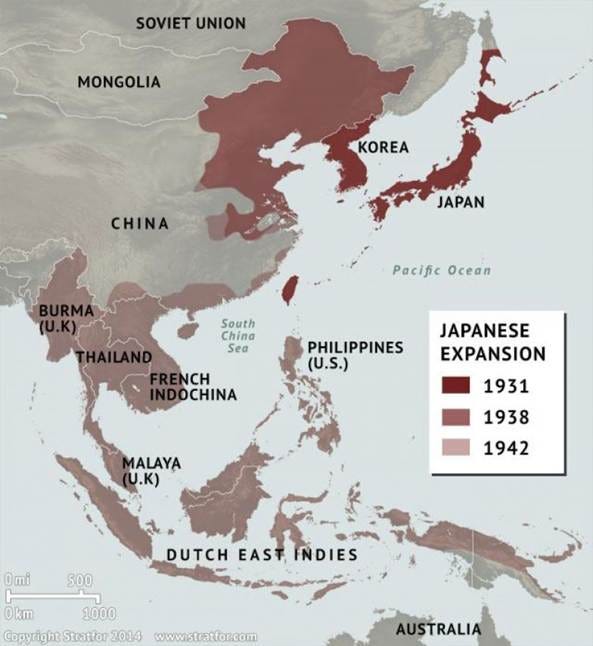
It is rather revealing how the west views itself in relation to its so-called “concern” for the east – that the west hears so much about the brutality of Mao, with historical accounts wildly differentiating as to what that exactly amounted to – but hardly a word of the massive slaughter the Japanese fascists committed. And unlike the Nazis, the brutality of the Japanese had begun long before WWII, in 1894, with the First Sino-Japanese War which involved a Japanese invasion of both Korea and China. The Second Sino-Japanese War (1937-1945) where the Japanese invaded all of East Asia overlapped with WWII.
During this period the most atrocious monstrosities were committed against the Korean and Chinese people and East Asia more broadly. The stories you may have heard, where men and women were told to line up behind each other so that they may all be killed by one bullet, their corpses dumped into a mass grave, that was not Mao’s China, those acts were committed by the Japanese Fascists.
In addition to this, terrible forms of torture, mutilation, and mass rape followed by murder were committed by the Japanese. The Nanjing Massacre of 1937 being among the most notorious. However, this all perhaps pales in comparison to the monstrous human experimentation that was done by the notorious Unit 731, also referred to as the Ishii Unit, a secret research facility that operated between 1933-1945 (though likely much longer than this) which included biological and chemical research for warfare purposes and included lethal human experimentation. Korean films and tv shows continue to depict these stories, the collective memory clearly still traumatised by the barbaric acts they suffered in the dark throughout WWII.
Unit 731 is officially recognised amongst historians – it is not speculation. When WWII was “won” against the fascists, with the Russians, Chinese and Vietnamese being the primary combatants that won that war against Japan,[3] prominent members of the Ishii Unit including its mastermind Shirō Ishii, were granted immunity by the United States in exchange for their research data and it appears were even invited to continue their research within the U.S. The Truman Administration, who ironically dropped two atomic bombs on a Japan (arguably as one large human experimentation itself) that had for all intent and purposes already surrendered, concealed Unit 731’s crimes and paid stipends to its “former” personnel.[4]
On August 28, 2002, the Tokyo District Court formally acknowledged that Japan had conducted biological warfare in China and held the state responsible for related deaths.[5] [6]
It is a funny thing that the west appears to have not thought too long on such an odd mixture of words such as “communism”, “Việt Minh,” “Democratic,” “Republic” and “American Declaration of Independence.” From my understanding of Ho Chi Minh’s vision for Vietnam, having studied the dynamics of the Vietnam War in greater detail, compared with China and Korea’s histories, I understand this to be of a revolutionary nationalist vision first and foremost. Hence the use of such words as “democratic” and “republic.” [Again for more on this story refer here.]
In other words, the priority was independence from colonialism and defense against a fascist rule, a resistance that was also occurring within Europe and Latin America. It was this resistance to which Operation Gladio (and its arm Operation Condor) was created in response to.
So much of this history is not known, which is absolutely necessary to be aware of, if one is to understand what made up the Communist Party of China from its origin or why they would continue to refer to their country under communist rule as a “People’s Republic” which has a great deal of overlap with the use of the word “Democratic.”
Why did a communist party decide to name China as a “People’s Republic”?
Many of the original members of the CPC were revolutionary nationalists from Sun Yat-sen’s Kuomintang. Recall, Sun Yat-sen is the “Father of Modern China” and was responsible for the formation of the “Republic of China” in 1912. This is not to undermine the legitimacy of the CPC, it is just a fact, that the CPC likely would not have been formed the way it did if Sun Yat-sen had continued his leadership of the KMT. Sun Yat-sen had called himself both a Confucian and a Christian. He studied in Hawaii under prominent economists from the American System school. And his Three Principles of the People was based off of a study of the American System school of economics.[7]
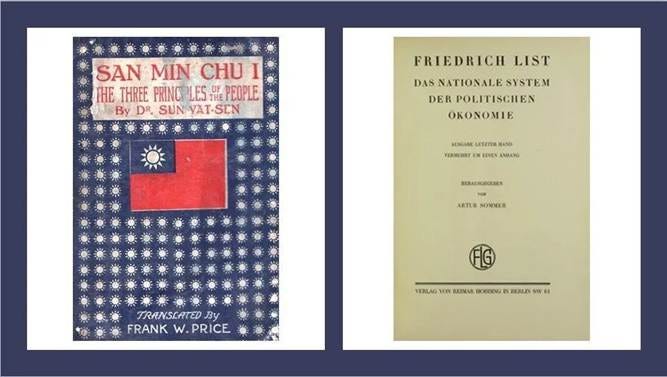
The fact that the civil war in China was waged largely over who was the legitimate successor to Sun Yat-sen is often entirely overlooked by western historians. And the fact that Sun Yat-sen’s widow sides with the Communist Party of China against Chiang, where she held prominent positions in the party until her death,[8] is also often entirely overlooked.
Thus, the revolutionary nationalists under Sun Yat-sen had united with the CPC and became members of the CPC in the fight for China which was a matter nothing short of existentialism.
I hope this puts things into further context, that the members of the CPC did not simply consist of a monolithic ideology or a “blind” following of Mao until his death, but rather, that the party’s history is full of a great deal of debate within its membership as to the right course for the nation.
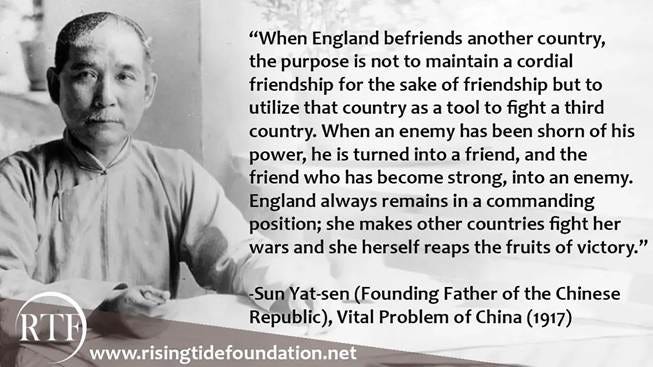
Mao became the center of the folklore by the 1970s amongst the Chinese population, which allowed for a great deal of manipulation during the Cultural Revolution, but to say that he was at the center of all political and economical decisions made in China during his life is quite far from the truth. We must also keep in mind that the People’s Republic of China was impoverished from its onset as a result of what China calls its “Century of Humiliation” which began with the First Opium War in 1839. To ignore the role of the British Empire in impoverishing China after two Opium Wars, is to not have a very honest account of China’s history and to lay blame on the CPC for a grave level of impoverishment that largely stemmed from decades of British (and to a lesser degree French) colonialism.
Here are some punchy quotes from Sun Yat-sen on this matter:
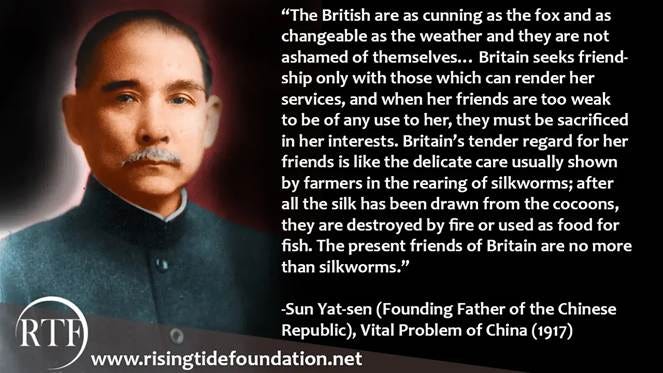
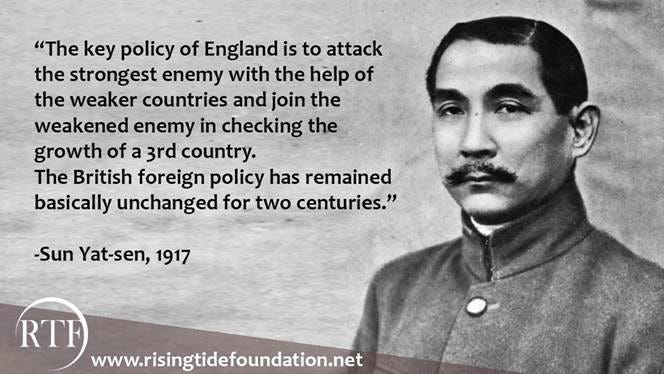
For a Chinese account of the Opium Wars, I recommend this movie:
Of Salt and Iron
“a ruler who is good at ruling the state must first of all enrich his people, then govern them”
– The principle of Guanzi as defined by Hu Jichuang in his A Concise History of Chinese Economic Thought (2009)
The practice of price regulation and state intervention is not something that was first introduced into China by the communists. Rather such practices have played a prominent role in Chinese economics since a time even before the Qin Dynasty (f. 221 BCE). ‘The Spring and Autumn (772-476 BCE) and Warring States (475-221 BCE) periods, widely considered “China’s golden age of culture”[9], were an “unusual age…when old orthodoxies had collapsed but new ones had not yet emerged”[10].’[11]
‘It was “the age of the Hundred Schools.” During the Warring States Period, economic considerations became increasingly important for government theory, and economic growth emerged as a major concern in light of constant warfare.’[12]
The Guanzi is a political, economic, and philosophical text written by several anonymous authors, likely state planners and economic advisors. It is thought to date as far back as the Warring State period and was compiled during the early Han Dynasty (f.202 BCE) as part of the education. ‘Irrespective of the precise date of its creation, which is subject to scholarly debate, it is important that the Guanzi was composed in the context of turbulent times after the collapse of the Western Zhou and before the Qin dynasty unified China into a single empire for the first time. The guiding question in the treatment of economic issues was how to govern change in the context of the transition to a new kind of economy.’[13]
‘Most parts of the Guanzi were written in the form of dialogues between Duke Huan (685-643 BCE) of the state of Qi and his advisor Guan Zhong (710-645 BCE), with the latter providing answers to the pressing questions of the duke. Guan Zhong is recognized as “one of the most renowned and influential statesmen in ancient China”[14].’[15]
This transformation in production propagated a fundamental change in the organization of commerce and created the need for a new form of state-market relations. Markets in the Western Zhou Period were under strict, direct government control. The state controlled the type of commodities allowed for sale on the market. A government official, called the price master, fixed the price at which these commodities were to be sold. Prices were allowed to fluctuate freely only on village markets.
Following the breakdown of the Western Zhou institutions of control and the transformation of production, a new urge for free trading of commodities emerged. The invention of coinage and the proliferation of currency by state facilitated long-distance trade. Commerce flourished, and a new class of private merchants became prevalent. The rulers of the Warring States turned to this merchant class to assist them in establishing a new form of control over the economy. With this historical context in mind, the authors of the Guanzi derived their remarkable recommendations on harnessing the newly unleashed market forces by the state. At the core of their program were price regulations based on the light-heavy principles.[16]
…
All these principles build on the idea that relative value depends on supply and demand. But rather than focusing on the equilibrium between supply and demand, as economists are accustomed to doing in modern neoclassical economics, the Guanzi explores reasons for change. The crucial point is that all these price-determining conditions were thought to vary depending on concrete circumstances. Things are not universally “heavy” or “light”; they change their designation depending on the context, which is analyzed in ways more dynamic than a simple assessment of some given constellation of supply and demand.[17]
As a result, the art of governing depended on being flexible:
“The true king takes advantage of the situation, and the sage takes advantage of the principles of change”. (Guanzi as per Hu Jichuang).[18]
The general principles in the Guanzi was policy activism, but as Hu Jichuang comments, policy “might take different forms in accordance with the different conditions of the specific trades, no panacea being offered indiscriminately for all situation.”[19] Complementary to the indirect control of grain prices by state demand and supply in the market, the Guanzi suggested a partial public monopoly over salt and iron.
…
This policy recommendation was based on the insight that both salt and iron are essential commodities and as such are “heavy.” As Esson Gale (1931)[20] observed “Salt and iron were the two most universal necessities, after grain, in the ancient Chinese commonwealth.” Every human has to consume salt. Tools for any kind of work contained iron…”Without such tools, no one in the world can be successful.[21]” [22]
A detailed account of this history is beyond the scope of this paper, however, it is important to recognise that China has had a very long practice of price regulation and state intervention onto what they called “heavy” commodities, that is, commodities that were deemed essential and important for the basic livelihood of the people.
This practice, however, never consisted of a rigid doctrine. Prices and state intervention were to occur always in context to an ever changing social and economic situation of production, trade and consumption. In other words, there was no set “perfect price” for grain, salt or iron, nor was there a specific percentage or volume that the state was expected to directly intervene in. It was a living dynamic, always changing and evolving yet governed by a consistency in principles (philosophical teachings), as outlined in the Guanzi which formed the basis of this new science of economy in China.
‘As Will and Wong (1991)[23] observe, “The emphasis on stabilizing prices represents an early Chinese awareness of the potential impact of markets and the belief that government should involve itself in supply and demand conditions.” This concept of prices regulation through commercial activity of the bureaucracy is distinct from the insistence on state and market as separate entities in most areas of modern economics.’[24]
The question was not whether prices are set by the state or determined by the free market, but whether they are fixed by government prices controls or by market-dominating private producers.[25]
This was a practice that continued until the 19th century. However, with the advent of the First Opium War which began in the year 1839, The British took it upon themselves to tell the Chinese they were doing economics all wrong.
The British Empire was waging their crusade of Free Trade and Adam Smith’s Invisible Hand, to do what it whilst in the dark, onto the world out of its Good Graces and had magnanimously decided, most generously, to bestow onto the “backward” Chinese an endless supply of opium made via slave-labour by Britain’s colony India.
British representatives of British commerce lectured China on the faith in science and modernization. They blamed the poverty and famine on state intervention and urged the adoption of Western laissez-faire economics.[26] Chinese poverty probably had nothing to do with years of British cannons firing on their cities and blockading their trade with the rest of the world…
Grain-price stabilizing granaries, monopolies over salt and iron were long-lasting institutions that continued to exist up until the Qing Dynasty (1636/1644-1912), China’s last dynasty before it became a republic. The Qin Dynasty was marked by economic prosperity, cultural achievements, such as the building of the Great Wall, and significant population growth. They also established the Eight Banners system to maintain ethnic cohesion.
It is important that we give China the respect she deserves in economic prowess. China had been leading the world in GDP since the 1500s, followed by India. And in the 1800s remained far in the lead of the rest of the world in GDP. By the 1890s, China’s GDP dropped dramatically, during the First Sino-Japanese war, where a post-Meiji Restoration Japan invaded China and Korea, and went into an almost free-fall by the Second Sino-Japanese war that wreaked absolute mayhem on the Chinese people.
During China’s Century of Humiliation, they suffered multiple military attacks from both the British and the Japanese, as well as economic attacks. Even psyop warfare was used, such as the Taiping Rebellion (1850-1864). The Taiping Rebellion was clearly foreign instigated and was led by Hong Xiuquan who proclaimed himself as the younger brother of Jesus Christ.[27]
By the end of the Qing Dynasty, China was in absolute shambles, if matters were to continue much longer, China would cease to exist. That being said, it is important to not disregard the fact that the ancient economic practices that were first learnt from the lessons contained in the Guanzi, had remained to significant degree in place. China has shown itself throughout its long history an incredible knack in surviving existential crises with its culture intact. China may have been severely weakened during the 19th century up until the mid 20th century, but as many called her during this time, she was akin to a sleeping dragon. If she were to awake again, she would quickly become a civilizational force as she once was.
Despite there being no lack of violence used to force China to bend the knee during its Century of Humiliation – the most destructive acts of warfare were economic in nature. The Guanzi teachings came under attack from the British imperial power, ‘following a “firm ideology, in fact an idée fixe, of the British traders in Guangzhou that all state regulation and all monopiles are pernicious”. In the first of the unequal treaties after China’s defeat in the First Opium War with the British, the Chinese government was forced to ban the monopoly system. Wagner (1997)[28] sees this as the starting point of the decline of China’s iron industry.’[29]
This was the beginning of the aggressive neoclassical economic debates, though as we can see not really much up for debate when you resort to firing cannons upon your “opponent.” The British Empire in their crusade for Free Trade had taken it upon themselves to denounce all state regulation and all monopolies as “pernicious.” The British incredibly took a moral tone in these matters as they proceeded to set up the Hongkong and Shanghai Banking Corporation (HSBC) to deal in their opium trade.
The Chinese state was told they could not intervene in the face of “free” trade.
Ironically, or not so ironic if you view Chinese history through a longer scope, the Communist Party upon taking power began to reintroduce the teachings of the Guanzi into their economic polices in response to the raging inflation that they had inherited after the war with Japan and Chiang.
…consciously or otherwise – the CPC came to replicate key practices of the ancient techniques of prices regulation…reminiscent of some of the basic principles articulated in the Guanzi…the political leadership should sue and manipulate market forces in pursuit of its economic goals instead of risking great losses by working against these forces…the CPC had to use its trade and its grain-provisioning system to ensure the value of money by reintegrating the rural and urban economies.
….
Surprisingly…the Communist government managed to stabilize the price level before overcoming the government’s budget deficit…A confidential Central Intelligence Agency (CIA) (1952) report summarized the CPC’s operational technique of stabilizing prices in terms strikingly similar to the traditional Chinese statecraft principles…American intelligence stressed that the Communists moved from first controlling the markets for goods essential to people’s livelihoods and observed that the party used private businesses and the dynamic interplay of supply and demand to stabilize prices and bring production and distribution under their control.
“The government of communist China is achieving price control….Control of daily necessities, raw materials and fuel supply prices is maintained by buying when prices are falling and selling when prices are rising. A balanced market is maintained in this way.” – Central Intelligence Agency on China, 1952).[30]
These policies, critical in providing the economic base for the Communists’ success in Shandong, came to serve as a role model in other revolutionary base areas, and eventually throughout China.[31] However, the reintegration of the national market also enabled speculators to coordinate large-scale purchases of the most essential commodities, such as grain, cotton, yarn, and cloth.[32]
‘The state trading agencies used such buy-ups to drive capitalists [speculators] into bankruptcy. They first joined the speculative attack on a particular commodity by bulk buying, thus accelerating the price increase. When the price of the targeted commodity became very high, the state trading agencies suddenly flooded the market by releasing their stocks, causing the price of the commodity to drop drastically and the speculators to also start selling their stocks, driving the prices down even further. Selling at much lower prices than they had bought, many speculators were unable to service their debt, went bankrupt, or at least realized that they could no longer expect sure gains from prices hikes. The state trading agencies, on the other hand, gradually gained control over the markets and prices of the most important commodities.’[33]
This was how the communist state protected itself against economic warfare that was being waged by speculators (malicious capitalism). We cannot deny that if the state had not intervened, the common people and businesses would have suffered the most, not under a truly “free-market,” but by intentionally malicious acts.
Chen Yun was a leading economist of China throughout his life up until the 1980s, and was one of the Eight Elders post-Mao. Chen Yun you could say was a sort of Sun Tzu in economic warfare. He is credited with being China’s key architect in economic reform from the end of the Cultural Revolution to the early 1980s.
The Communists succeeded at reintegrating the national economy and overcoming hyperinflation [in the 1950s]….the value of money, combined with production aimed at exchange, was reestablished using techniques reminiscent of the Chinese tradition of price stabilization through market participation by the state…As a result, market prices gradually converged to list prices.
“…leaders of some foreign countries and [Chiang’s] Kuomintang asserted that these financial and economic difficulties were insurmountable…Under the leadership of the Party and the People’s Government, however, the Chinese people took up the historical task of overcoming the economic difficulties and rehabilitated the national economy.”[34]
Several other commentators agree on the importance of this policy measure as part of a larger effort. Ling and Lei (1959)[35] stressed that creating a stable currency by reviving the orderly circulation of money could not rely on purely monetary policy: price stability “could not be created by the efforts of the people’s Bank alone. It was the result of the joint efforts of the financial organs, state trade, banking establishments, and all the enterprises of the socialist sector of the economy.” Wu (1956)[36] concluded that “the break in the inflationary spiral was brought about, in the first instance, largely by government open market commodity operations.” Burdekin and Wang (1999),[37] in their analysis of the “end to the big inflation in China in 1950,” agreed with Wu that the actions of the state trading agencies played a critical role in stabilizing the monetary system.
This logic of government participation in commodity markets with the goal of balancing prices is deeply ingrained in the Chinese tradition of economic governance. The Communists utilized these traditional policy tools in their successful struggle for revolution aimed at building a new society that would liberate China from the remnants of semifeudalism and semicolonialism.’[38]
The Chinese communists had succeeded in defending China and finally putting an end to over a century of endless war waged by the British and Japanese followed by Chiang’s warlords. They had also made significant success in reindustrializing the urban centers of war-torn China. They had even greater success in controlling inflation through price regulation. It is of great note to recognise that these economic practices that allowed for a decrease in inflation and a defense against attacks from speculators was largely made possible through the rediscovery of the lessons of the ancient Guanzi.
However, poverty of especially the rural areas of China remained in desperate need of attention by the end of the Cultural Revolution. Successes had been made but there was no question by the end of the Cultural Revolution that China not only needed to open itself up to the world economy, but that it was in serious need of economic reform.
Coming Soon Part III “How China Escaped Shock Therapy”
In the future I may do a more detailed account of Guanzi teachings, as well as how Chen Yun led economic reform during the first several years after the Cultural Revolution which allowed for China’s economic boom. As well as the role Xi Jinping’s father, Xi Zhongxun, played in this rapid economic development. However, for Part III of this series I will focus on how shock therapy economics was introduced into China, and the role of George Soros in these developments, that would ultimately result in the infamous Tiananmen Square debacle.
Cynthia Chung is the President of the Rising Tide Foundation and author of the books “The Shaping of a World Religion” & “The Empire on Which the Black Sun Never Set,” consider supporting her work by making a donation and subscribing to her substack page Through A Glass Darkly.
Footnotes:
[1] Soong Ching-ling not only rejected Chiang but joined the Communist Party of China, serving as its Vice Chairman of the Central People’s Government from 1949-1954, under Chairman Mao; Vice Chairman of the Chinese People’s Political Consultative Conference from 1954-1959, under Chairman Zhou Enlai, and Vice Chairman of the Standing Committee of the National People’s Congress from 1975 to 1981. She served as Acting Chairman of China from 1968-1972 under Premier Zhou Enlai, and Vice Chairman of China from 1959-1975.
[2] I have written extensively on this subject in my book The Empire on Which the Black Sun Never Set as well as in my paper “How the CIA and US Special Forces Manufactured a Migrant Crisis and Orwellian Police State in Vietnam Before Going to the Americas.” In summary, the Geneva Conference decided that Vietnam would be split as North and South, a decision that completely ignored the wishes and thoughts of actual Vietnamese people, in response to Ho Chi Minh’s new republic. It was sold to the world as a humanitarian gesture. The West led by the United States promised they would accommodate anyone from the North who wished to leave Ho Chi Minh’s Republic to migrate to the South where a new government had been set up overnight led by Catholic Ngô Đình Diệm who was never voted in by the Vietnamese people of the South. His government had nothing that constituted an actual structure, and much of the police and military was run by the CIA and the U.S. Green Berets who worked directly for the CIA. Edward Lansdale headed the CIA’s Saigon Mission a paramilitary mission that used psychological warfare on the people of the North to get them to leave their homes and villages where they had lived peacefully for centuries. Many Northerners were transported by U.S ships down to the South but many also travelled largely by foot, in complete terror of the CIA’s Saigon psyop on their people. [Note: This information is supported by Col. Fletcher Prouty in his book “JFK: The CIA, Vietnam, and the Plot to Assassinate John F. Kennedy.”] This transportation of Northerners to the South were promised, at least publicly to the world at the Geneva Conference, that they would be well taken care of in the South. Instead, they were released into the wild and put in a position where they had to fend for themselves. These Northerners, the majority who had not even voluntarily left their homes in the North, were forced to live in the woods and steal what they could from villages for food and water. These refugees were then labeled as Ho Chi Minh’s communist insurgents. This in turn justified U.S. forces entering villages in the South and interrogating the people, as horrendously depicted in movies such as Platoon. Lives of villagers were threatened, loved ones of the chief elders of these villages were killed in front of their eyes if they could not present to the Americans a “communist” hiding amongst them. American soldiers largely felt they could do anything they wanted to these villagers and took out their rage in having been forced to enter a war that never had an official military objective nor a clearly defined “enemy.” That was the point. The Americans soldiers, who were way over their heads in this situation knew nothing about what was truly going on. Increasingly the “communist enemy” could be anyone and everyone. Whole villages were massacred in the South as the lines became ever more grey. Operation Phoenix then took the psyop to the next level. An attempt to bring about an Orwellian police state and training in horrendous torture techniques for “interrogation” purposes. There was no real intelligence to collect, it was an excuse to commit heinous forms of human experimentation for the “science” of interrogation. There was resistance that arose to this but you cannot say this justified everything that occurred before this or the incredible level of violence that was brought down upon the Vietnamese people, the greater majority who knew nothing outside of their simple village life. To claim that the communists who did come to aid these people was justification for the Vietnam War is such a horrendous twisting of history, where the butchers of innocents are celebrated as heroes of freedom and those who opposed them as monsters and enslavers. Again for a much more detailed account of this history refer to my paper “How the CIA and US Special Forces Manufactured a Migrant Crisis and Orwellian Police State in Vietnam Before Going to the Americas.”
[3] See my paper “In Search of Monsters to Destroy: The Manufacturing of a Cold War.” General MacArthur estimated that a million Americans would die in only the first phase of the Pacific War. The Russians were being heavily courted by the Americans to break their Neutrality Pact with Japan and enter into the Pacific War for the very straightforward reason that fewer Americans would die.
After three years of the most savage warfare against the German Nazis, where over 25 million Russian soldiers and civilians died, Russia was now prepared to enter into another war with Japan, only months later, to offer military support to the U.S., a country that had suffered minute losses in comparison.
When Admiral King, chief of naval operations, was informed that the Russians would definitely enter the fight against Japan, he was immensely relieved commenting “We’ve just saved two million Americans.”
On August 9th at 1:00 am, one million Soviet troops crossed the border into eastern Manchuria to face the Kwantung, the culmination of ten months of coordinated planning. Later that same day a second atomic bomb, Fat Man (named after Churchill), was dropped on Nagasaki.
The Russians were completely taken aback. They had not been notified of this plan, and it was certainly not a “friendly” message that the U.S. was sending to their supposed allies.
On August 15th, six days later, Japan surrendered. Many historians have agreed that the Russian attack in Manchuria had the greater weight in causing the Japanese to surrender. But it did not matter.
Most in the West would either never know or would soon forget about the Russian sacrifice.
[4] Hal Gold, Unit 731 Testimony, 2003, p. 109.
[5] “Ruling recognizes Unit 731 used germ warfare in China”. The Japan Times. 28 August 2002.
[6] “Japan guilty of germ warfare against thousands of Chinese”. The Guardian. 28 August 2002.
[7] I am repeating this footnote in case readers missed it the first time since it is an important one. I have written extensively in favour of the economic school known as the “American System,” led by notable economists such as Mathew Carey and his son Henry C. Carey. I stand by the principal universal lessons they wrote extensively about. You can access my writings on this here and here, as well as a three-part series I did here.
However, their writings were during the 19th century period, the world has grown in complexity, and thus though the principals of the American System economic school (which were adopted throughout the world under Germany’s Friedrich List, China’s Sun Yat-sen, Japan’s Meiji Restoration and Russia’s Trans-Siberian Rail project) still hold true, this truth is not contained within a rigid doctrine and can be lawfully built and expanded upon. We live in a world where this is an absolute necessity, but we have fallen behind on this endeavour and are in great need of economists to carry out the better traditions of this field, that do not lie in any one school or nation but rather, has been a work in progress within many cultures and civilizations throughout the centuries.
[8] Soong Ching-ling not only rejected Chiang but joined the Communist Party of China, serving as its Vice Chairman of the Central People’s Government from 1949-1954, under Chairman Mao; Vice Chairman of the Chinese People’s Political Consultative Conference from 1954-1959, under Chairman Zhou Enlai, and Vice Chairman of the Standing Committee of the National People’s Congress from 1975 to 1981. She served as Acting Chairman of China from 1968-1972 under Premier Zhou Enlai, and Vice Chairman of China from 1959-1975.
[9] Hu Jichuang. A Concise History of Chinese Economic Thought. (2009), pg. 19
[10] Y. Pines. Envisioning Eternal Empire: Chinese Political Thought of the Warring States Era. (2009), pg. 220
[11] Isabella Weber. How China Escaped Shock Therapy (2021), pg.19
[12] Isabella Weber. How China Escaped Shock Therapy (2021), pg.19
[13] Weber, pg. 20-23
[14] Hu Jichuang. A Concise History of Chinese Economic Thought. (2009), pg. 100
[15] Weber, pg. 20
[16] Light is defined as unimportant, inconsequential or cheap. Heavy is defined as important, serious or expensive.
[17] Weber, pg. 21
[18] Hu Jichuang. A Concise History of Chinese Economic Thought. (2009)
[19] Ibid
[20] Esson Gale. (1931) Discourses on Salt and Iron, pg. XV-L1.
[21] W.A. Rickett (1998) Guanzi: Political, Economic and Philosophical Essays from Early China. Vol. II. pg. 374-375
[22] Weber, pg. 27-28
[23] P.E. Will, R. Bin Wong. (1991) Nourish the People: The State Civilian Granary System in China, 1650-1850.
[24] Weber, pg. 19
[25] Weber, pg. 55
[26] K. Edgerton-Tarpley. (2008) Tear from Iron: Cultural Responses to Famine in Nineteenth Century China.
[27] Those who have read my book “The Shaping of a World Religion: From Jesuits, Freemasons & Anthropologists to the Ghost Dance Religion” will find uncanny similarities in these stories.
[28] D.B. Wagner (1997) The Traditional Chinese Iron Industry and Its Modern Fate
[29] Weber, pg. 36-37
[30] Weber, pg. 78-80
[31] Weber, pg. 78
[32] Liu Suinian and Wu Qungan (1986) China’s Socialist Economy, An Outline History (1949-1984), pg. 19
[33] Ling Tseng and Lei Han (1959) The Circulation of Money in the People’s Republic of China, pg. 52
[34] Liu Suinian and Wu Qungan (1986) China’s Socialist Economy, An Outline History (1949-1984), pg.20
[35] Ling Tseng and Lei Han (1959) The Circulation of Money in the People’s Republic of China, pg. 52
[36] Wu Yuan-Li (1956) An Economic Survey of Communist China.
[37] R.C.K. Burdekin and X. Hu (1999) China’s Experience with Indexed Government Bonds, 1988-1996: How Credible Was the People’s Republic’s Anti-Inflationary Policy? Review of Development Economics, 3(1), pg. 66-85
[38] Weber, pg. 83-89